
Plant-Based Nutrition Expertise
Discover comprehensive guidance on plant-based nutrition, backed by evidence-based information and practical insights for your wellness journey.
Our Nutritional Guidance Areas
Balanced Plant-Based Diets
Learn how to structure nutritionally complete plant-based meals that include all essential macronutrients and micronutrients. Understand protein sources, healthy fats, complex carbohydrates, and seasonal ingredient selection for optimal nutrition.
Nutrient Bioavailability
Explore evidence-based strategies for maximising nutrient absorption from plant foods. Discover techniques like soaking, sprouting, and fermentation that enhance the bioavailability of vitamins and minerals from legumes, grains, seeds, and vegetables.
Wellness Planning
Receive guidance on creating personalised plant-based eating patterns that align with your lifestyle, preferences, and wellness goals. Learn how to plan meals that support sustained energy, mental clarity, and overall vitality.
Active Lifestyle Nutrition
Understand how to fuel physical activity and athletic performance through plant-based nutrition. Learn about timing of meals, carbohydrate loading, protein distribution, and recovery nutrition for those maintaining an active lifestyle.
Practical Meal Strategies
Discover practical approaches to shopping, meal preparation, and cooking plant-based foods. Learn budget-friendly strategies, pantry essentials, food safety practices, and time-saving techniques for maintaining a sustainable plant-based lifestyle.
Evidence-Based Resources
Access comprehensive, research-informed content on plant-based nutrition science. Explore information on key nutrients, dietary guidelines, and educational materials designed to support informed dietary choices and long-term wellness.
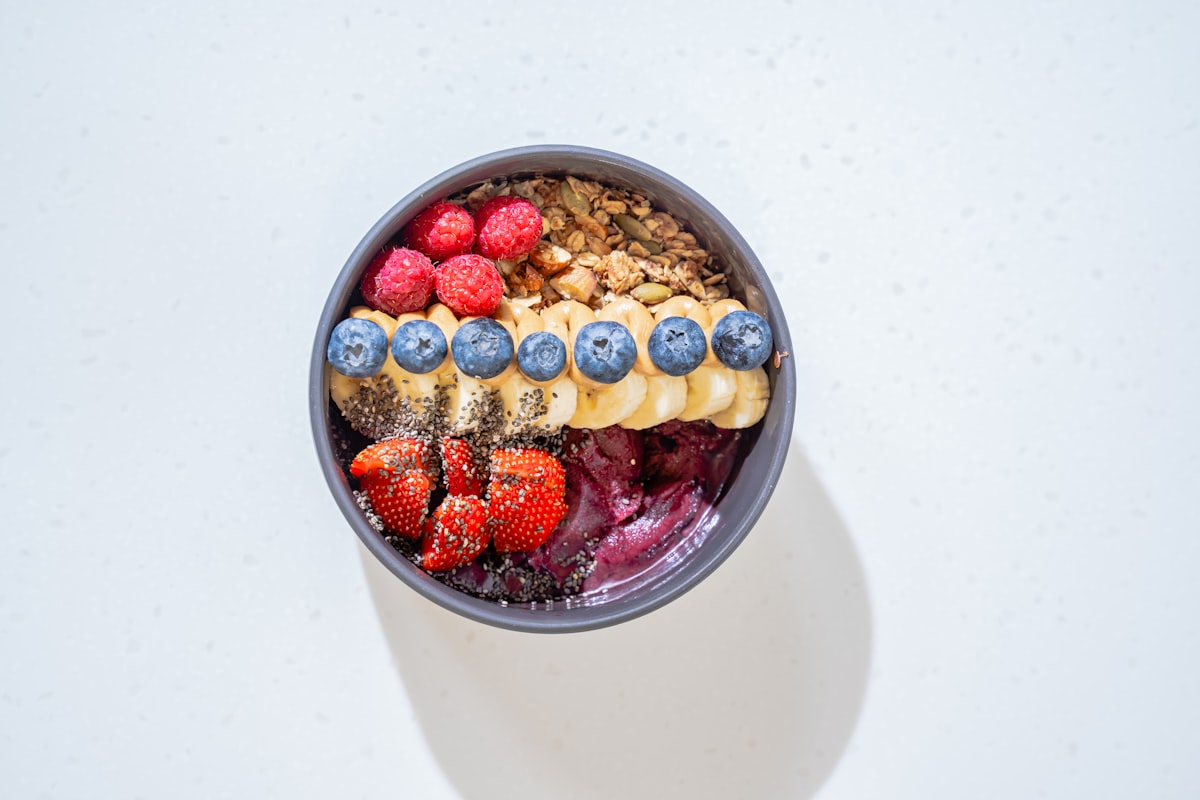
Understanding Plant-Based Nutrition Science
Plant-based nutrition represents a shift towards whole-food eating patterns centred on vegetables, fruits, legumes, whole grains, nuts, and seeds. This approach has become increasingly popular as people explore sustainable and health-conscious dietary choices.
-
Complete Nutritional Profile
Plant-based diets can provide all essential nutrients when properly planned, including protein, iron, calcium, vitamin B12, and omega-3 fatty acids.
-
Dietary Flexibility
Explore various approaches from whole-food plant-based to flexitarian patterns, allowing customisation to personal preferences and life circumstances.
-
Evidence-Based Guidance
📊 Did you know?Research continues to expand our understanding of plant-based nutrition outcomes, supporting informed choices and evidence-based recommendations.
Our editorial content provides accessible, science-informed guidance to help you understand plant-based nutrition principles and make informed dietary choices aligned with your personal values and wellness goals.
Navigating Your Plant-Based Journey
Explore the Basics
Discover fundamental concepts of plant-based nutrition, including essential nutrients, food groups, and dietary approaches that align with your wellness interests.
Learn Practical Skills
Develop practical knowledge in meal planning, recipe development, cooking techniques, and food preparation strategies to support sustainable eating patterns.
Understand Your Needs
Gain insights into individual nutritional requirements based on lifestyle, activity level, preferences, and personal wellness goals.
Sustain Long-Term
Explore strategies for maintaining consistent plant-based eating patterns while adapting to life changes, seasons, and evolving health considerations.
Key Nutritional Considerations
Nutrient Sources in Plant Foods
-
Protein
Legumes, tofu, tempeh, seitan, nuts, seeds, whole grains
-
Iron
Dark leafy greens, legumes, fortified cereals, dried fruits
-
Calcium
Fortified plant milks, leafy greens, tahini, almonds
-
Omega-3 Fatty Acids
Flaxseeds, chia seeds, walnuts, hemp seeds
-
Zinc
Legumes, nuts, seeds, whole grains, nutritional yeast
Planning Considerations
-
Variety
Eating a wide range of plant foods helps ensure comprehensive nutrient intake and supports digestive health.
-
Whole Foods Focus
Emphasising minimally processed plant foods provides superior nutrient density compared to highly refined alternatives.
-
Strategic Combinations
Pairing certain foods, like beans with vitamin C sources, enhances mineral absorption and nutritional completeness.
-
Timing and Frequency
Regular meals and thoughtful snacking support sustained energy and stable nutrient distribution throughout the day.
-
Personalisation
Individual needs vary based on age, activity level, lifestyle, and health considerations. Adjusting approach accordingly supports long-term success.
Frequently Asked Plant-Based Questions
How do I ensure I get enough protein on a plant-based diet?
Plant-based protein sources include legumes (beans, lentils, chickpeas), tofu, tempeh, seitan, nuts, seeds, and whole grains. Combining different protein sources throughout the day ensures intake of all essential amino acids. Including a protein-containing food at each meal supports adequate daily intake.
What key nutrients should I monitor on a plant-based diet?
Important nutrients to focus on include vitamin B12, vitamin D, iron, zinc, calcium, iodine, and omega-3 fatty acids. Consuming a variety of whole plant foods and understanding which foods contain these nutrients helps support nutritional adequacy. Consider fortified foods or supplements where appropriate.
Can I maintain an active lifestyle on plant-based nutrition?
Yes. Plant-based diets can fully support athletic performance and active lifestyles. Focus on adequate total calorie intake, sufficient carbohydrates for energy, distributed protein intake, adequate micronutrients, and strategic meal timing around physical activity. Many athletes successfully perform on plant-based diets.
What is the difference between plant-based and vegan diets?
Plant-based refers to eating patterns emphasising plant foods, which may include some animal products in flexitarian approaches. Vegan diets exclude all animal products including meat, dairy, eggs, and honey. Plant-based encompasses a spectrum of eating patterns, while vegan is more specific regarding animal product exclusion.
How do I transition to plant-based eating gradually?
Start by identifying plant-based meals you already enjoy. Gradually replace familiar animal products with plant alternatives. Experiment with new recipes and cuisines to expand your palate. Focus on adding rather than restricting initially. Allow time to adjust digestively and for taste preferences to evolve.
Are plant-based convenience foods as nutritious as whole foods?
Whole plant foods typically offer superior nutrient density compared to processed plant-based alternatives. However, fortified plant-based convenience foods can supplement whole food intake, particularly for nutrients like B12 and vitamin D. Aim for a diet predominantly consisting of whole foods with occasional convenience foods.
What Readers Say About Our Content
"The detailed information about nutrient sources transformed my approach to plant-based eating. I now feel confident about the nutritional completeness of my meals, and I've discovered so many new foods and recipes I never would have tried otherwise."
Sarah Mitchell
Bristol, United Kingdom
"As someone training for athletic events, I was concerned about performance on a plant-based diet. The guidance on carbohydrate loading, protein distribution, and pre-activity nutrition has been invaluable. I've never felt stronger or more energised."
James Henderson
Manchester, United Kingdom
"The practical meal planning strategies and budget-friendly tips made the transition far easier than I expected. The science-backed information gives me confidence that my family is getting proper nutrition from our plant-based approach."
Emma Richardson
London, United Kingdom
"Coming from a meat-eating background, I appreciated the non-judgmental approach and the realistic guidance about gradual transitions. The content is comprehensive yet accessible, making it easy to understand complex nutrition concepts."
David Thompson
Leeds, United Kingdom
"The evidence-based approach is refreshing. Rather than feeling like marketing or ideology, the information is balanced and research-informed. I've recommended this to friends exploring plant-based nutrition."
Priya Patel
Birmingham, United Kingdom
"The bioavailability information changed how I prepare food. Learning about soaking and sprouting, and understanding nutrient interactions, helped me optimise absorption. My digestion has improved significantly."
Catherine Woods
Edinburgh, United Kingdom
Explore Our Content Library
Nutrition Tips & Guides
Discover evidence-based nutrition strategies to optimize your health and wellness journey.
Healthy Recipes
Explore delicious, nutritious recipes designed to support your health goals and taste preferences.
Supplement Insights
Learn about vitamins, minerals, and supplements that complement your nutrition plan effectively.
Wellness Blog
Stay informed with our latest articles on nutrition trends, health science, and lifestyle wellness.
Frequently Asked Questions
Find answers to common questions about our nutrition programs and wellness services.
Ready to Transform Your Health?
Start your nutrition and wellness journey today. Let our expert guidance help you achieve sustainable health goals and feel your absolute best.
✓ No hidden fees • ✓ 30-day guarantee • ✓ Expert support included
Nutritionwellnessroute
Your trusted partner in nutrition, wellness, and sustainable health transformation.
Resources
- Nutrition Tips
- Recipes
- Supplements
- FAQ
© 2024 Nutritionwellnessroute – VAT: GB283 1185 46. All rights reserved. | Transforming lives through nutrition and wellness.